That 'Hot Slot' Is Lying to You: A Straight-Talking Guide to RTP for British Players
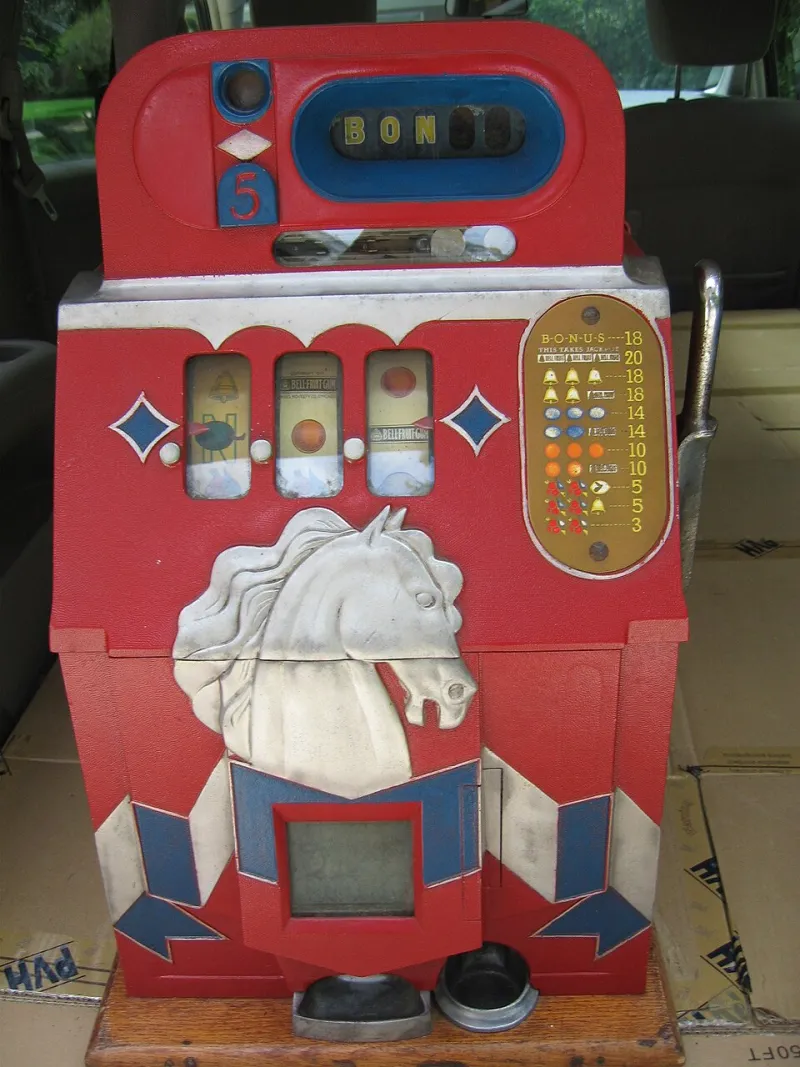
Photo: Gameroom Show, https://www.gameroomshow.com/faq/#Copyright, CC BY-SA 4.0, via Wikimedia Commons
Every slot review you've ever skimmed mentions RTP. Every slot lobby buries it in the info panel. And yet most players — perfectly sensible people who'd comparison-shop for a kettle to the decimal — ignore it entirely when they're spinning.
We think that's a mistake. Not because RTP will predict your next session (it won't), but because over any meaningful stretch of play, it's the single most important number on the screen. So let's actually explain it properly.
RTP in Plain English
Return to Player is the percentage of all wagered money a slot pays back over its lifetime. A game with 96% RTP returns, on average, £96 for every £100 staked. The remaining 4% is the house edge — the operator's cut.
Now, the crucial caveat: that figure is calculated over millions upon millions of spins. In any single session, absolutely anything can happen. You can win 200x your stake on a 90% RTP game, or lose fifty spins in a row on a 98% one. RTP describes the long-run average, not your Tuesday night.
But here's why it still matters: the more you play, the closer your results drift toward that average. It's a bit like the spread on a football match — it doesn't decide the result, but over a whole season, the favourites win more often than the odds suggest.
Does 2% Really Make a Difference?
Short answer: yes, more than you'd think.
Take a player spinning £1 per spin, 600 spins an hour (a realistic pace for the quicker games). That's £600 wagered per hour. Over 100 hours of play — a year of regular sessions for a committed player — you'd stake £60,000.
- At 96% RTP, the expected cost of that entertainment is £2,400.
- At 94% RTP, it's £3,600.
Same gameplay, same thrills, same flashing reels — £1,200 more expensive. That's the price of not reading the small print.
Popular UK Slots, Side by Side
To show how much variance there is in the games Brits actually play, here's how some well-known titles stack up:
| Slot | RTP |
|---|---|
| Blood Suckers (NetEnt) | ~98.0% |
| Book of 99 (Relax Gaming) | 99.0% |
| Big Bass Bonanza | ~96.7% |
| Starburst | ~96.1% |
| Book of Dead | ~96.2% |
| Fluffy Favourites | ~95.4% |
| Many Megaways titles | 94-96% |
Notice the pattern: the classics everyone gravitates toward often sit at the lower end. Some of the biggest names in UK slot culture — the fluffy pink hippos among them — return noticeably less than quieter, less-marketed titles. Operators can also offer the same game at multiple RTP settings depending on the site, so it's always worth checking the info panel at your casino rather than trusting a review from years ago.
The 'Hot Streak' Myth, Dealt With
Slot forums (and every pub conversation about the bookies) love the idea that machines run hot and cold — that a slot which hasn't paid out is 'due', or that one on a tear should be ridden.
This is nonsense, and it's worth understanding why. UK-licensed slots use RNGs — random number generators — that produce each spin independently. The machine has no memory. It doesn't know it's paid out recently, and it doesn't care. A slot at 96% RTP doesn't get 'closer' to paying the longer you go without a win.
What players mistake for hot streaks is simple variance. Slots are high-volatility machines: long droughts punctuated by big hits. That clustering feels like a pattern, but it's exactly what randomness looks like.
There's one related concept worth knowing: RTP in bonus buy features is sometimes slightly higher than the base game, and jackpot slots deduct a slice of RTP to fund the pot. Neither changes the fundamental maths — the house edge is always there.
How to Actually Play Smarter
We're not going to pretend RTP turns slots into a beatable game. It doesn't. What it does is let you get more entertainment per pound:
- Check the info panel before you play. Two minutes of reading can literally double your expected playing time at the same stake.
- Favour games at 96%+ where you enjoy the theme and features — never play a boring slot just for the number.
- Understand volatility alongside RTP. High volatility plus high RTP means long waits and bigger hits; low volatility means smaller, steadier returns. Match it to your bankroll and patience.
- Set a session limit and treat stakes as entertainment spend, not investment.
The Maximum Take
'Play smarter' isn't a slogan — it's about stacking every small edge in your favour. RTP is the clearest one available. A couple of percentage points won't change tonight's luck, but across a year of play it's the difference between a cheap hobby and an expensive one.
If gambling is causing you harm, support is free at BeGambleAware.org.