Get Out of Jail Free? Why 'Loss Backs' Deserve the Same Side-Eye as Any Welcome Bonus
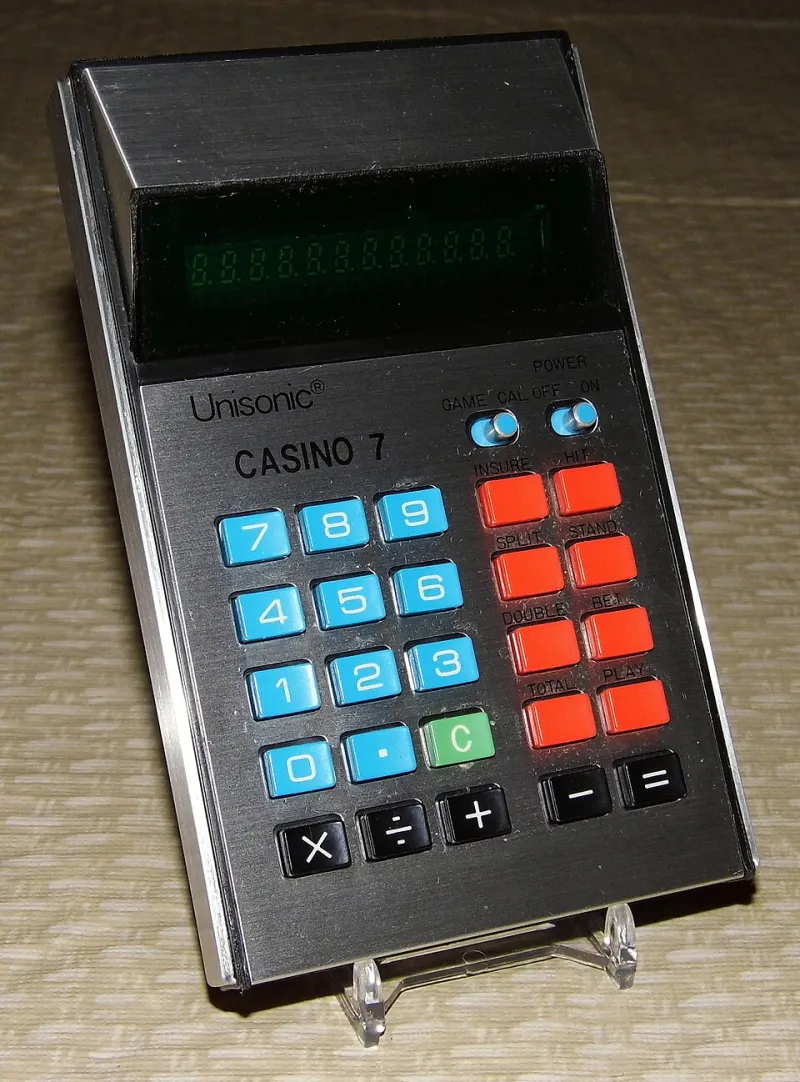
Photo: Joe Haupt from USA, CC BY-SA 2.0, via Wikimedia Commons
The welcome bonus has a PR problem. Too many players have been burned by 40x wagering requirements on a deposit match to trust the category anymore, and the industry knows it. So the pitch has changed.
Enter the new wave: "loss backs", cashback offers, "insurance" on your first deposit. The framing is clever. Instead of "deposit £50, get £100", it's "deposit £50, and if you lose, we'll give you 10% back". It sounds like the casino absorbing risk on your behalf. It sounds safe.
We ran the terms on a dozen current UK cashback offers through the wringer, and we'll be blunt: most of them are welcome bonuses wearing a cardigan.
What a Loss Back Actually Is
Strip away the language and a cashback offer is simple: the casino refunds a percentage of your net losses over a period — typically 5% to 25%, usually capped. On the surface, that's genuinely better than nothing, and a small handful of offers are exactly what they appear to be: real money back, no strings.
But those are the minority. Here's what you need to interrogate before signing up to any of them.
The Four Traps Buried in the Terms
1. The wagering requirement on the refund. The single most common trick. You "get" £10 back, but it arrives as bonus funds carrying 20x or 30x wagering. That £10 might require £300 of turnover before it becomes withdrawable — at which point the house edge has usually eaten most or all of it. A refund with wagering attached isn't a refund; it's a coupon.
2. The cap. "10% cashback up to £20" means your maximum possible return on a bad weekend is £20. If you're depositing hundreds, that's a rounding error dressed up as insurance.
3. The exclusions. Some offers only count losses on specific games, or exclude the high-RTP titles entirely (table games, certain slots). Others only trigger on your first deposit, or only during your first week, or only if you've never withdrawn before. Read that last one again — some cashback offers are voided if you win early and cash out.
4. The payment method and minimum-loss hurdles. Skrill and Neteller deposits excluded? Losses must exceed £50 before anything triggers? Cashback credited as a "free spins bundle" rather than cash? All three show up regularly, and all three quietly gut the offer.
Doing the Actual Maths
Let's take a realistic example. A 10% cashback offer, capped at £25, with 25x wagering on the refund. If you lose £150, you get £25 back — as bonus funds. To convert that £25 into withdrawable cash, you'd need to wager £625. At an average 4% house edge, your expected loss on that turnover is around £25. In other words, on a purely mathematical basis, the "cashback" is worth approximately zero.
Compare that to the genuinely good offers we found: flat 10% cashback, real money, no wagering, credited weekly. Those exist. They're rarer than they should be, and they rarely get promoted as loudly as the flashier numbers.
The Rule That Never Changes
Every bonus — match deposit, free spins, cashback, whatever it's called next year — comes down to one question: can I withdraw it, and if not, what's the cost of making it withdrawable?
If a loss back pays real cash with no strings, it has genuine value and can meaningfully reduce your cost of play. If it pays bonus funds with wagering attached, treat it exactly as you'd treat any welcome offer: calculate the effective value, not the headline.
"Insurance" that pays out in a currency you can't spend isn't insurance. It's marketing. And you know by now how we feel about marketing.